
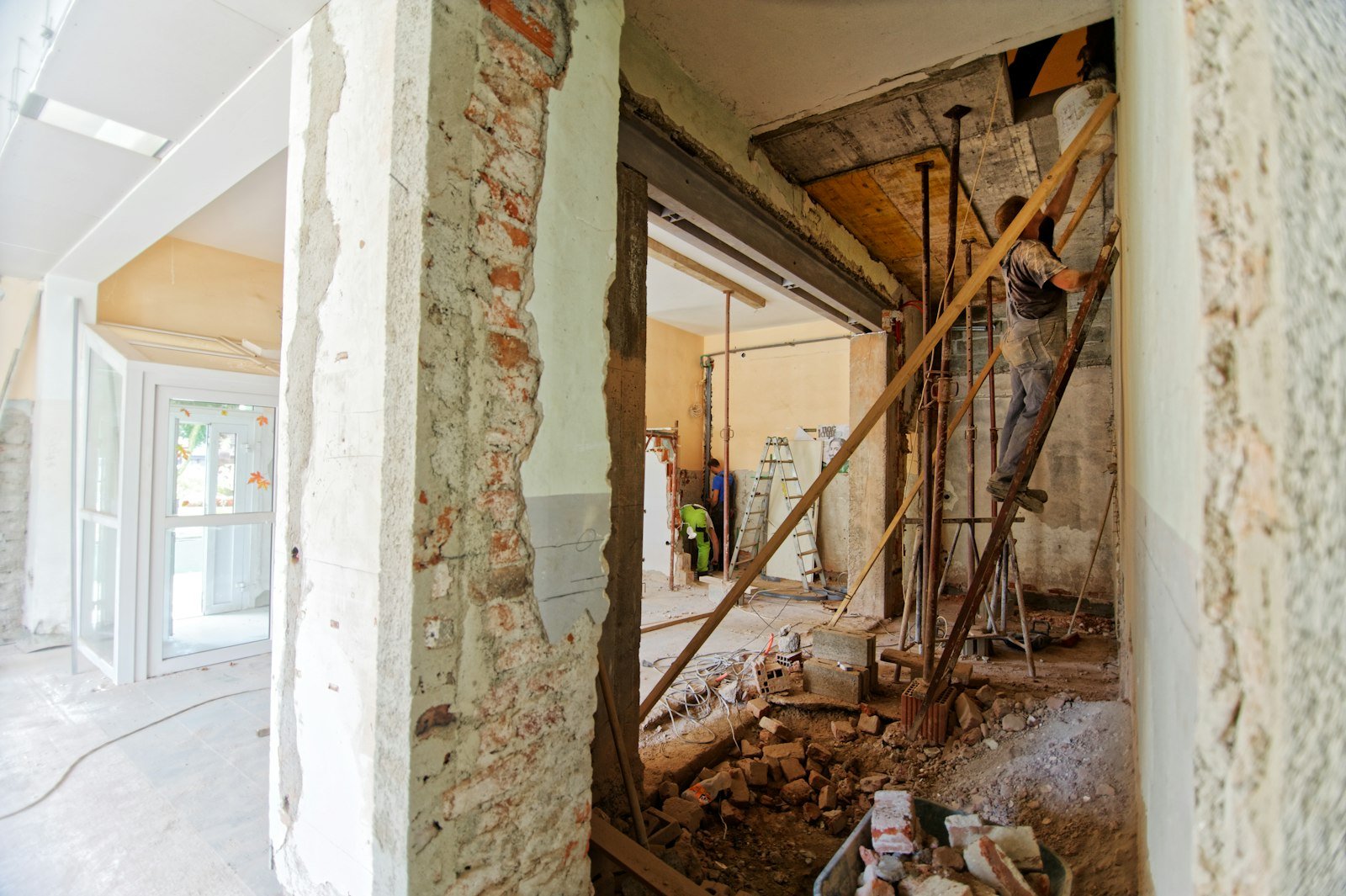
Solid wall buildings were designed to manage moisture, not exclude it. Treating them like modern construction is the most common and most expensive renovation mistake we are called in to fix.
We are called to look at damp in Victorian and Edwardian houses several times a year. In the large majority of cases the damp was not there originally - it arrived with a well-intentioned renovation.
How solid walls were meant to work
A solid brick wall has no cavity and no damp proof membrane. It was never designed to keep water out entirely. It was designed to absorb moisture during wet weather and release it again as conditions dry, with lime mortar and lime plaster allowing that movement to happen freely.
The whole system depends on the wall being able to breathe in both directions.
What goes wrong
Apply cement render externally, or gypsum plaster and vinyl paint internally, and the wall can still take moisture in through defects and driving rain, but it can no longer let it out. The moisture accumulates, and it moves to wherever it can still escape - usually the base of the wall, or the joist ends buried in it.
The visible result is rising damp. The invisible result, which is more serious, is timber decay where floor joists bear into the wall.
What to use instead
Lime mortar and lime plaster internally and externally. Breathable mineral paints rather than vinyl or plastic emulsion. Where insulation is needed, breathable systems such as wood fibre or lime-hemp rather than a sealed layer of foam board.
These materials cost more and take longer to apply. They also stop you spending considerably more, three winters later, taking out decayed joist ends.
Let the building dry before you finish it
On the Islington townhouse we restored last year, we stripped the cement render and then waited. Wall moisture readings were monitored over six months as the brickwork gave up decades of trapped water, falling from 18% to under 5% before any new plaster went on.
Nobody enjoys building a six-month drying period into a programme. It is still faster than replastering the whole house twice.